 5 Yeomans Court, Ware Road, HERTFORD, UK, SG13 7HJ
  74 Lothian Road, Durban North, South Africa, 4051

Building an offshore accounting operating model that protects quality, tightens control and fuels growth
Building an offshore accounting operating model that protects quality, tightens control and fuels growth
Building an offshore accounting model often feels like balancing quality, control, and growth on a knife’s edge. Too many firms compromise one to gain the other, ending up with inconsistent audit quality or lost control over processes. What if you could design a model that safeguards your firm’s standards, tightens governance, and grows capacity without stretching your team thin? This guide lays out a clear, practical framework to build that kind of offshore accounting model, helping you scale with confidence. Read more here.
Download our Offshore Operating Model Checklist or book a 30-minute discovery call to map your pathway: www.mpvr.co.uk | info@mpvr.co.uk | UK: +44 203 923 2777 | RSA: +27 31 944 0836
Building an Offshore Accounting Model
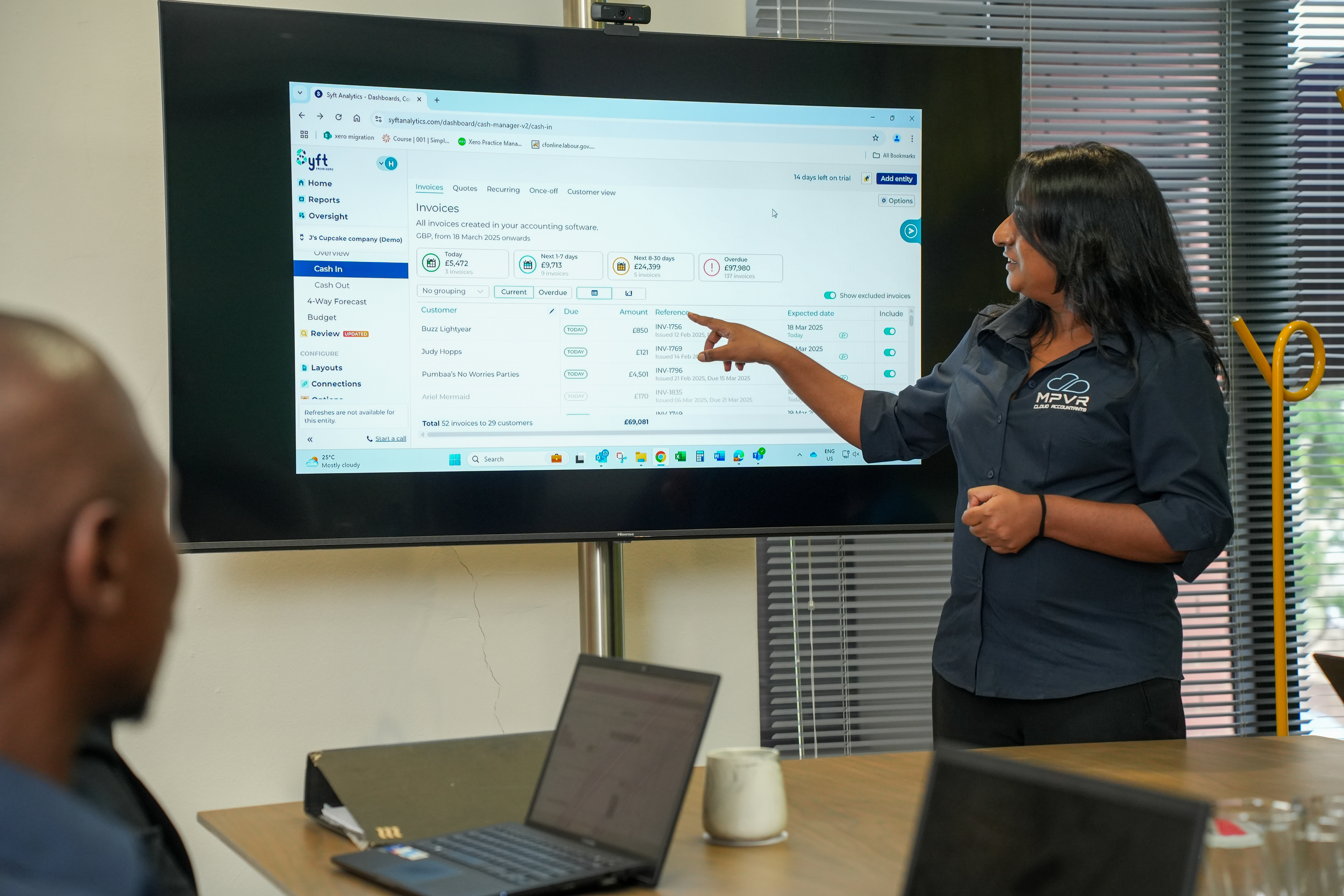
Protecting Audit Quality Control
Maintaining high audit standards is crucial when setting up an offshore accounting model. You need to protect your firm’s reputation and ensure compliance with international standards.
Start by establishing clear guidelines for audit quality. Define what quality means for your firm and how it will be measured. Regular training sessions for your offshore team are essential. This will ensure they are familiar with both IFRS and UK GAAP standards. Regular audits and quality checks will help maintain these standards. Use metrics and benchmarks to evaluate performance and make adjustments as needed.
Using technology is another critical element. Implement audit software that allows seamless collaboration between onshore and offshore teams. This software should streamline processes and provide real-time updates. By doing so, you can ensure that everyone is on the same page and that quality is never compromised.
Integrating Onshore and Offshore Teams
Bridging the gap between your onshore and offshore teams is a priority. Effective communication and collaboration tools are essential.
Start with regular video conferences to keep both teams aligned on goals and objectives. These meetings foster a sense of unity and help clarify expectations. It’s also important to set up a shared platform where both teams can access documents and resources. This ensures everyone has the necessary tools to perform their tasks effectively.
Cultural understanding is another key factor. Encourage your teams to learn about each other’s cultures and work habits. This mutual respect can lead to better collaboration and innovation. By focusing on these areas, you’ll create a more cohesive and productive team environment.
Ensuring Sustainable Growth
Sustainable growth is the ultimate goal of your offshore accounting model. You want to expand your capabilities without overburdening your team.
Develop a clear growth strategy that outlines your goals and the steps needed to achieve them. This strategy should include specific targets and timelines to ensure accountability. Investing in training and development for your offshore team is crucial. By enhancing their skills, you can offer more value to your clients and increase your firm’s capacity.
Regularly review your processes and make adjustments as needed. This approach ensures that your growth is both strategic and manageable. By focusing on these elements, you can achieve long-term success and stability.
Ensuring Governance and QA
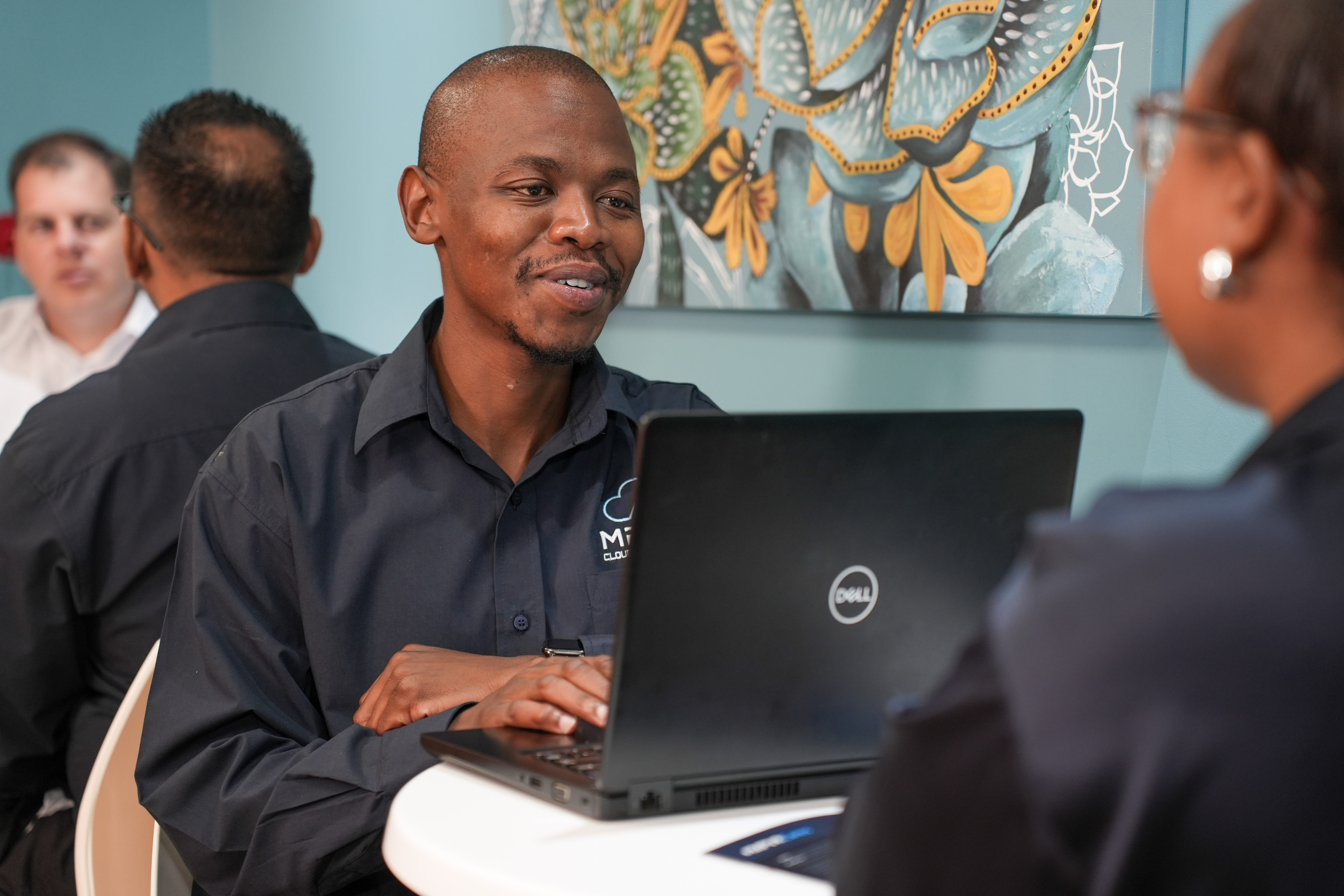
Key Governance Strategies
Effective governance strategies are vital for maintaining control in your offshore accounting model. Start by setting up a governance framework that outlines roles, responsibilities, and reporting lines. This framework should also include policies for risk management and compliance.
Regular audits and reviews are crucial for ensuring adherence to these policies. Appointing a governance officer can also help maintain oversight and accountability. By implementing these strategies, you can ensure your offshore operations run smoothly and efficiently.
Quality Review Processes in Practice
Ensuring quality requires robust review processes. Develop a comprehensive quality assurance plan that outlines the steps for reviewing and approving work. This plan should include both internal and external audits, as well as regular feedback loops.
Empower your team to take ownership of quality by providing training and resources. Encourage a culture of continuous improvement, where team members are always looking for ways to enhance their work. By focusing on these areas, you can maintain high standards and deliver exceptional results to your clients.
Data Security for Accounting Firms
Data security is a critical concern for accounting firms. Implement strong security measures to protect your data and your clients’ information. This includes encrypting sensitive data, using secure servers, and regularly updating your software.
Train your team on best practices for data security, including how to recognize phishing attempts and other cyber threats. By prioritizing data security, you can build trust with your clients and protect your firm’s reputation.
Creating Scalable Capacity
Embracing Remote Audit Teams
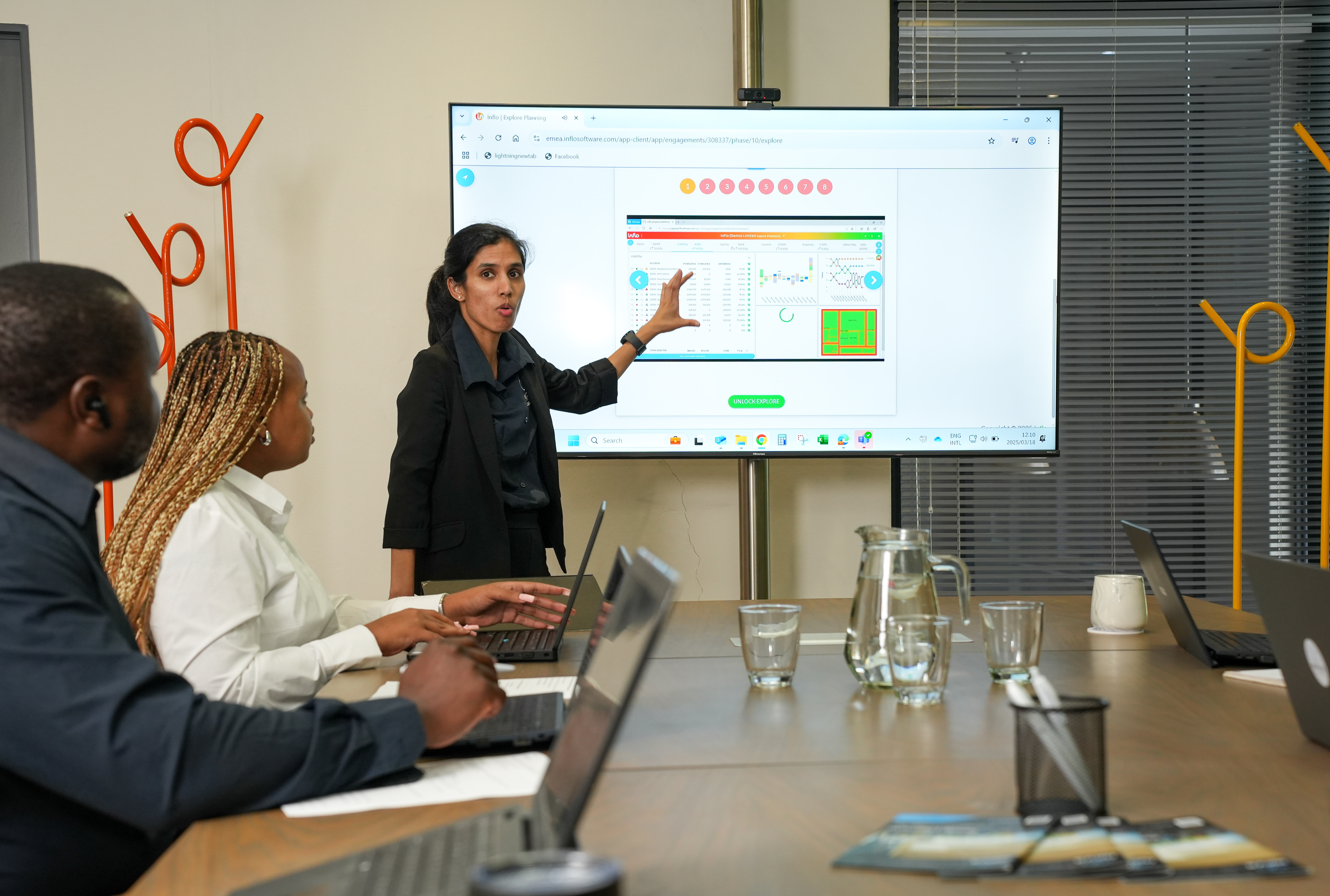
Remote audit teams can provide the flexibility and scalability you need. Start by defining clear roles and responsibilities for your remote team members. This clarity helps ensure everyone knows what is expected of them.
Leverage technology to facilitate communication and collaboration. Video conferencing, instant messaging, and project management tools can help keep your remote team connected. Regular check-ins and feedback sessions are also important for maintaining engagement and productivity.
By embracing remote teams, you can access a wider talent pool and scale your operations as needed.
Overcoming Talent Shortages
Talent shortages are a common challenge in the accounting industry. To overcome this, consider partnering with educational institutions and offering internship programs. This approach allows you to develop a pipeline of skilled professionals who are familiar with your firm’s culture and processes.
Offering competitive benefits and opportunities for growth can also help attract and retain top talent. By focusing on these strategies, you can build a strong and capable team that can support your firm’s growth.
South Africa: Your Offshoring Partner 🌍
South Africa offers a wealth of opportunities for offshoring accounting services. With a strong talent pool and a business-friendly environment, it’s an ideal location for expanding your operations.
Partnering with local firms can provide you with access to skilled professionals who are well-versed in international accounting standards. South Africa’s cultural and time zone alignment with the UK also makes collaboration easier. By choosing South Africa as your offshoring partner, you can enhance your firm’s capacity and achieve sustainable growth.
Find out how MPVR could work for your firm Today