 5 Yeomans Court, Ware Road, HERTFORD, UK, SG13 7HJ
  74 Lothian Road, Durban North, South Africa, 4051
How to build an offshore accounting model that delivers quality, control, and growth
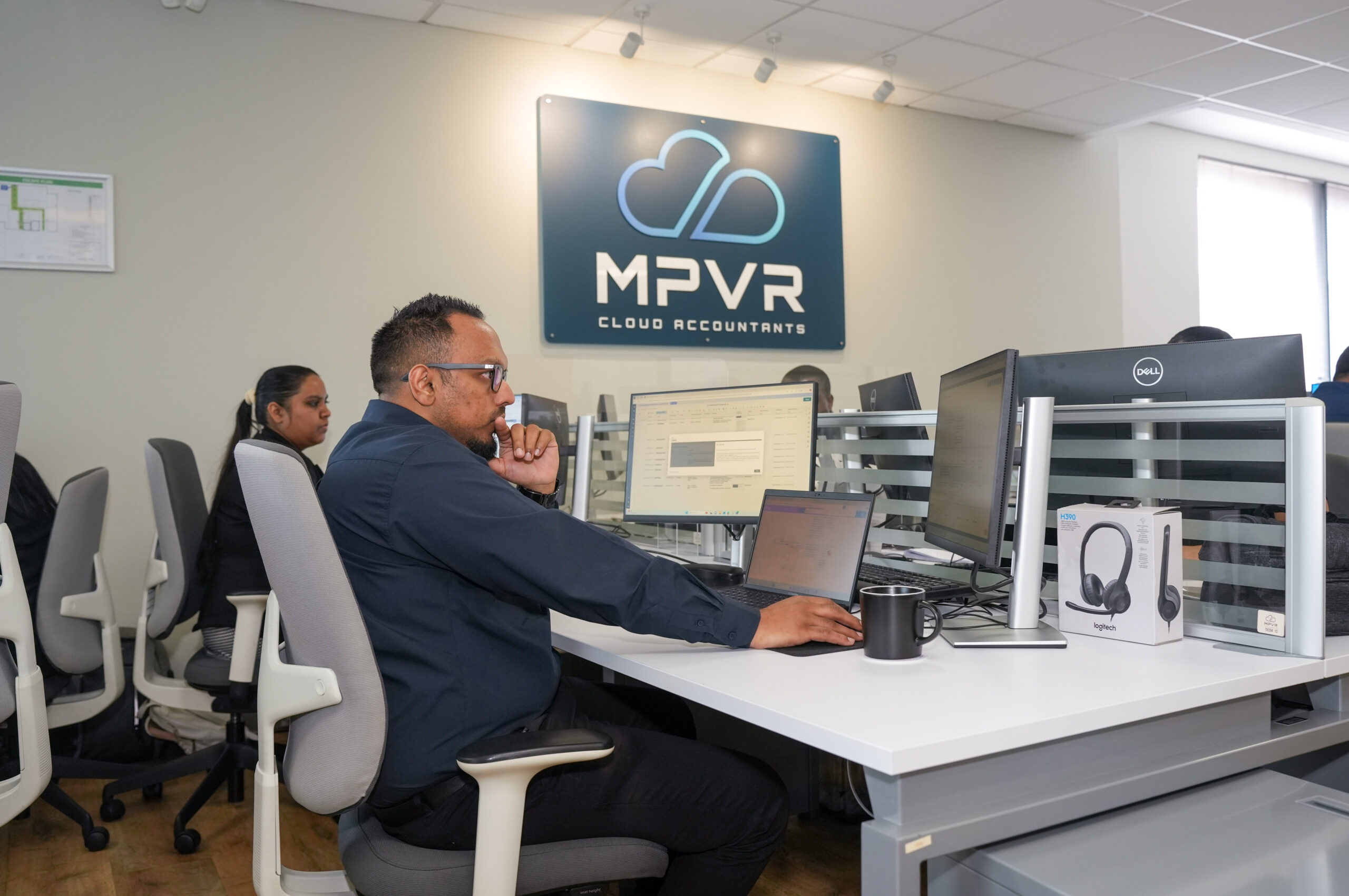
Most firms think offshore accounting models only cut costs. The truth is, getting quality, control, and growth right means designing a model built to fit your firm’s needs and standards. In this post, we’ll share a practical blueprint to create an offshore accounting model that safeguards audit quality, strengthens governance, and scales your capacity without overstretching your team. Let’s explore how your firm can grow with confidence using offshore accounting. Read more about how offshore accounting services can be a strategic operating model.
Building a Quality Offshore Model
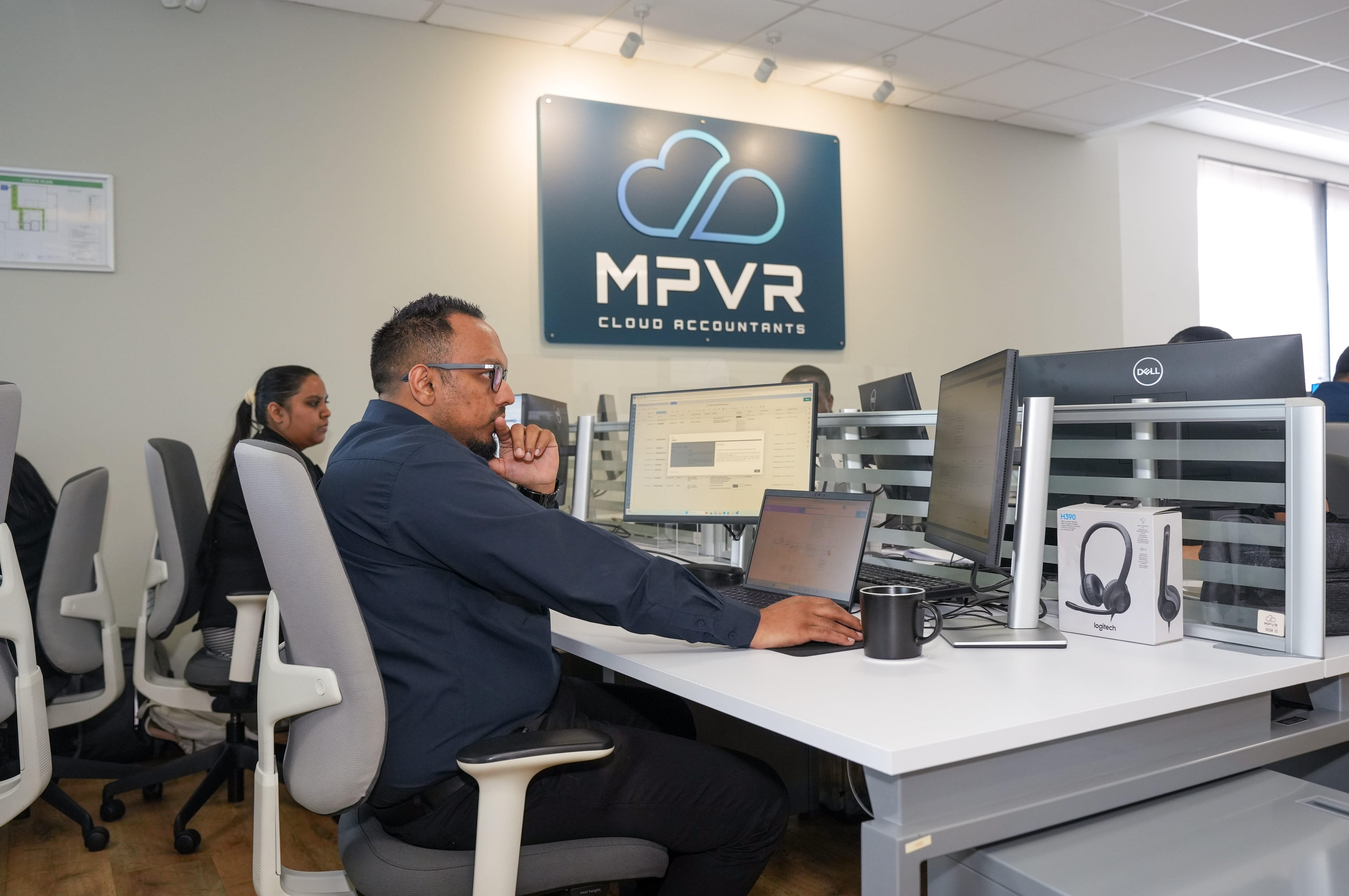
Offshore accounting has great potential. But how do you ensure that your model is built to last? Here, we dive into setting up a robust offshore accounting model that delivers on quality, control, and growth.
Ensuring Audit Quality in Offshoring
Quality is key in audit work. Offshore accounting should enhance this aspect, not compromise it. The secret? Clear expectations and ongoing training. Your offshore team must grasp the same standards as your onshore team. Regular quality checks can maintain this standard.
Consider implementing structured feedback loops. This approach ensures that any discrepancies are quickly identified and addressed. With a focus on continuous improvement, your clients’ confidence in your services will only grow.
Governance Framework for Offshore Teams
A strong governance framework is crucial. It acts as the backbone for managing offshore teams. By defining clear roles and responsibilities, you prevent confusion. This structure supports accountability and proactive decision-making.
Setting up a governance framework involves establishing clear communication channels. Regular meetings and updates keep everyone in sync. This transparency nurtures trust and ensures that offshore teams align with your firm’s objectives.
Data Security for Offshore Teams
Data security is non-negotiable in today’s world. Offshore teams must follow strict data protocols to protect client information. Implementing robust security measures is essential to prevent breaches or data loss.
It’s important to regularly review these protocols. An annual audit of your security measures can uncover vulnerabilities. By staying proactive, you protect your firm’s reputation and your clients’ trust. Explore more on reviewing offshore accounting work for quality control.
Strengthening Control and Oversight
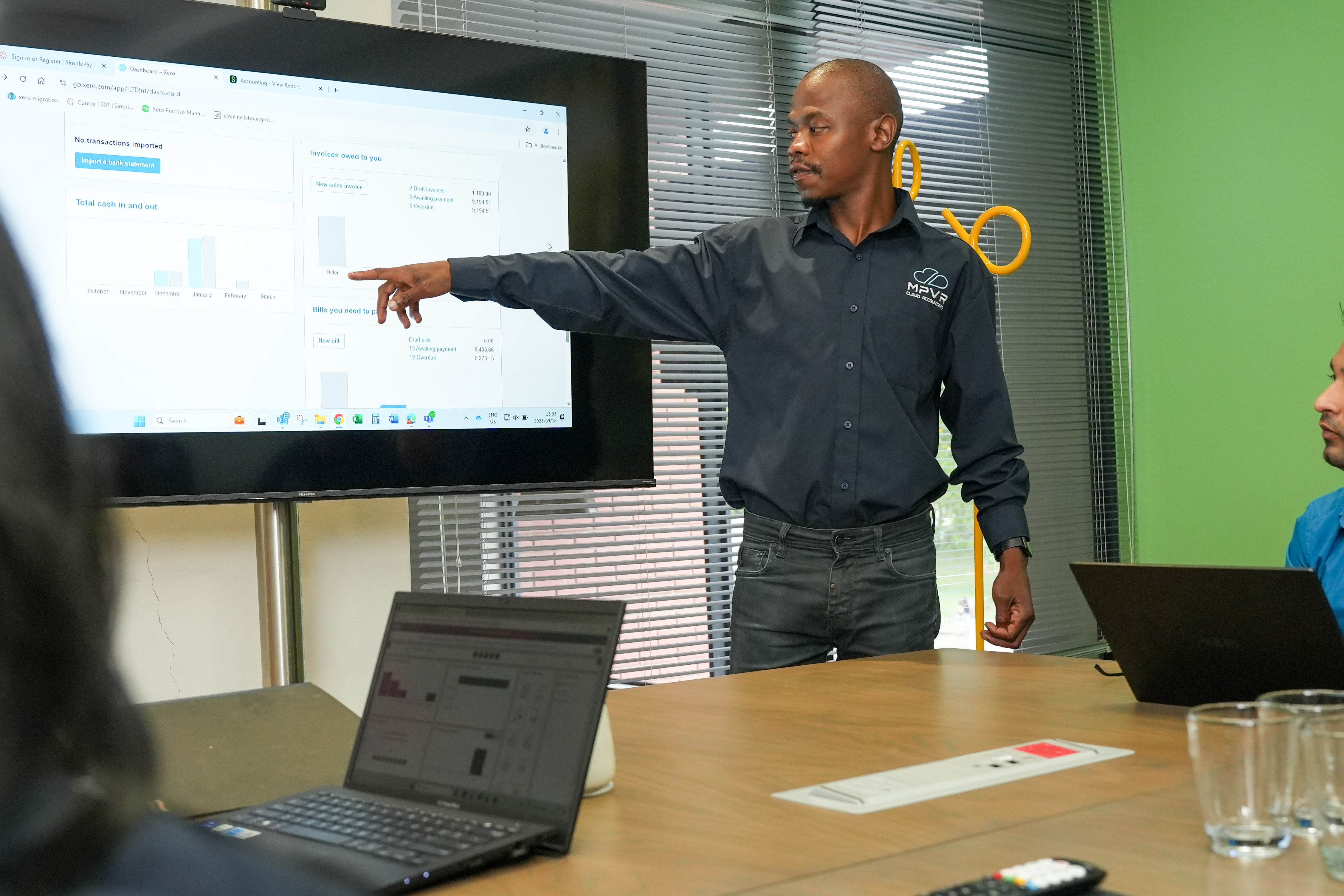
With a quality foundation, the next step is establishing control and oversight mechanisms that ensure consistency and reliability. This section discusses how to achieve that.
Workpapers Review Process and SOPs
Having a clear workpapers review process is vital. Consistent processes lead to consistent results. By establishing standard operating procedures (SOPs), you clarify expectations for your team.
A step-by-step review process ensures thoroughness. It helps identify potential issues early and allows for timely corrections. This method not only maintains quality but also fosters a culture of accountability among your team members.
RACI for Audit Teams
RACI charts define roles and responsibilities clearly. By implementing this tool, you ensure everyone knows their tasks. This clarity reduces overlaps and enhances productivity.
RACI stands for Responsible, Accountable, Consulted, and Informed. It helps teams work cohesively by clarifying who does what. This kind of structured approach strengthens team dynamics and ensures smooth operations.
KPIs and SLAs for Accounting Firms
KPIs and SLAs set the benchmark for performance. By defining these metrics, you can track progress and identify areas for improvement. This approach ensures accountability and drives continuous growth.
Establishing KPIs helps you measure success. Meanwhile, SLAs guarantee that service delivery meets your clients’ expectations. By quantifying these elements, you ensure that your firm consistently delivers high-quality results.
Enabling Sustainable Growth
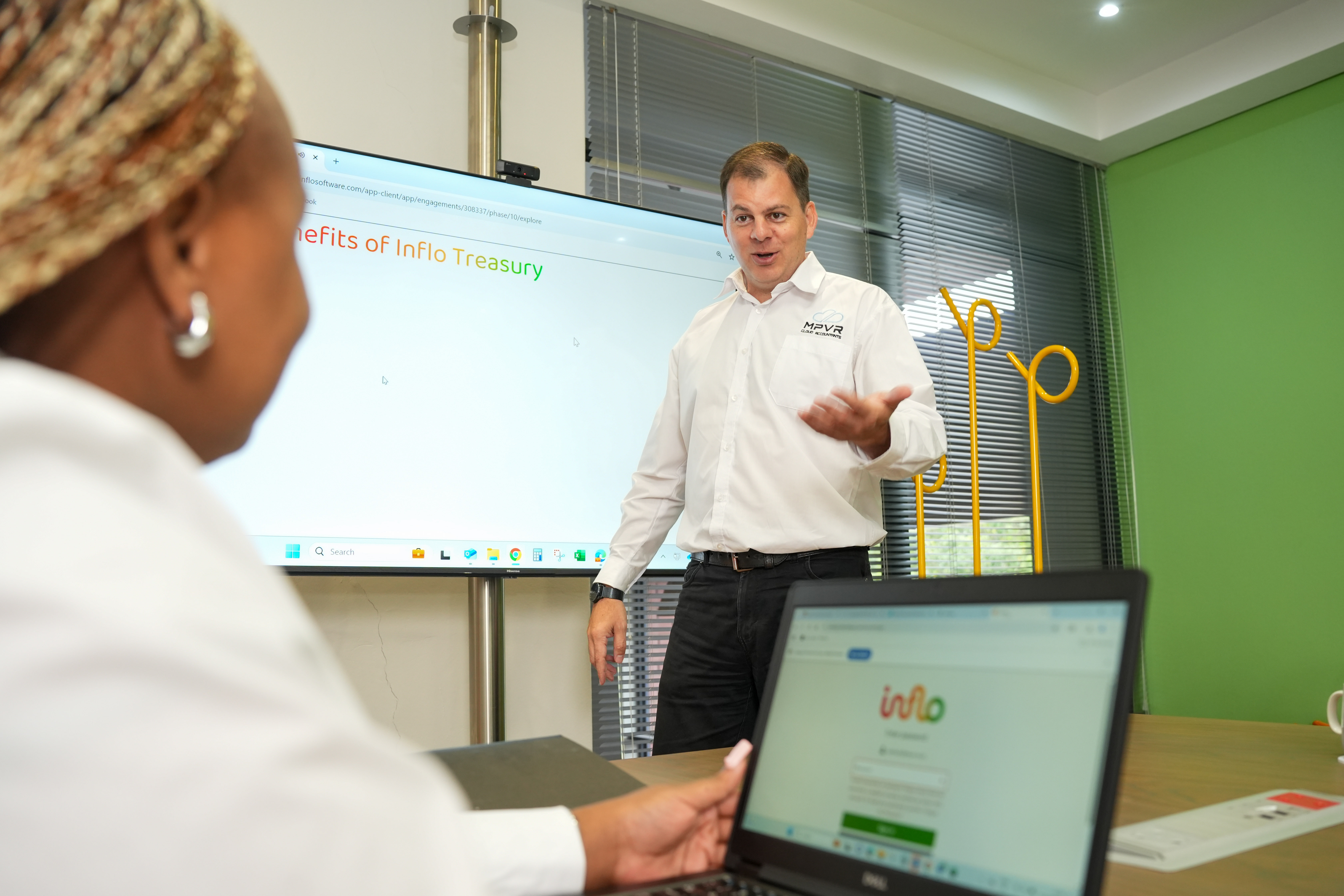
With quality and control as your foundation, the next phase involves expanding your operations sustainably. Let’s explore strategies that make this possible.
Scalable Audit Capacity and Resource Planning
Scaling your audit capacity is crucial. It ensures that you can meet increasing client demands without overstretching your team. Resource planning plays a key role in this process.
By forecasting your resource needs, you can allocate your team effectively. This approach not only optimizes performance but also reduces stress. Planning ahead ensures you have the right people in place when needed.
Engaging South Africa Accounting Talent
South Africa offers a rich pool of accounting talent. Engaging this talent can boost your firm’s capabilities. These professionals bring unique skills and perspectives to your team.
By tapping into this talent pool, you gain a competitive edge. Their expertise can enhance your service offerings and drive innovation. It’s a win-win for both your firm and the local community. Discover how offshore accountants can transform CPA operations.
Benefits of UK Time Zone Alignment
Aligning with the UK time zone offers numerous benefits. It streamlines communication and enhances collaboration. This alignment ensures that offshore teams operate cohesively with your onshore teams.
By working in the same time zone, you eliminate delays. This benefit improves client response times and boosts satisfaction. It’s a simple yet effective way to enhance your firm’s operations. Learn more about scaling CPA firms with offshore support.
🎉
With these strategies, your firm can leverage offshore accounting to achieve sustainable growth. By focusing on quality, control, and scalability, you position your firm for long-term success.
Find out how MPVR could work for your firm Today